First Ice-Skating Session: A Safe Beginner Plan
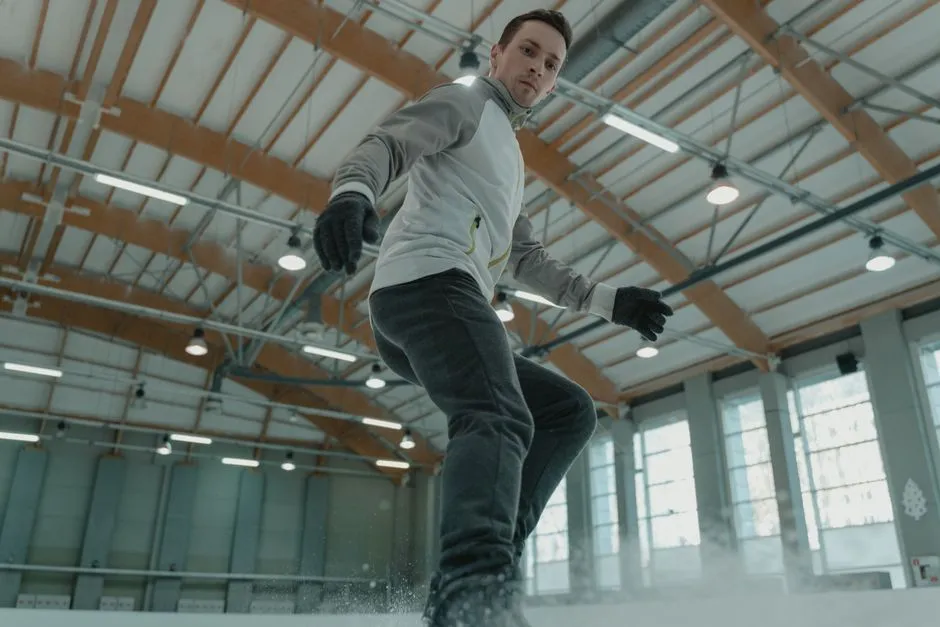
The first goal is control, not distance
A good first ice-skating session teaches how the skates fit, how the rink moves, where beginners belong, and how to start and stop under appropriate instruction. Choose a beginner lesson when possible or a quiet public session with staff support. Read the rink's current rules before arriving.
Do not plan jumps, spins, backward skating, or speed. The ice has no bonus program for enthusiasm.
Dress for movement and minor contact with ice
Wear warm layers that let knees and hips bend. Add gloves to protect hands from cold and ordinary ice contact. Choose close-fitting socks without folds; thick doubled socks can create pressure and reduce control inside a rental skate.
Avoid long scarves, loose drawstrings, wide trousers that cover blades, and jewelry or accessories likely to catch. Bring a dry layer for afterward.
Ask the rink and instructor about helmets and other protective equipment. Requirements differ by program and age. Any equipment should be appropriate for the activity, fit correctly, and be worn according to its manufacturer. Protection reduces some risk; it does not create permission for uncontrolled speed.
Treat skate fit as safety equipment
Rental skates should hold each heel firmly while allowing toes to lie naturally. Numbness, sharp pain, severe pressure, and a heel lifting freely are reasons to ask staff for another size or model.
Seat the heel at the back before lacing. Tighten progressively for even support rather than crushing one section. Tuck or secure laces as staff direct so loops cannot reach the blade.
Walk only on approved rubber flooring or blade-safe mats. Use guards where required, and remove them before stepping onto the ice. Never test a blade edge with a finger.
Watch traffic before entering
Identify the rink's direction of travel, entry and exit gates, beginner area, lesson zones, and faster-skater lanes. Ask staff where to practice. Look both ways before stepping through the gate.
At the boards, stand with feet about hip-width apart and knees softly bent. Keep the chest upright and eyes looking ahead rather than folding at the waist to inspect the skates every second. A qualified instructor can correct posture for your body and equipment.
Begin with small marching steps while holding the boards lightly if directed. Progress to a brief two-foot glide only when balance is controlled and space is clear. Gripping the boards and pulling yourself along may feel secure, but it does not teach an independent stance.
Learn the stopping plan before adding speed
Ask an instructor or rink staff member to teach the appropriate first stop in a designated low-speed area. Practice from a slow glide with plenty of space. Do not plan to collide with the boards, grab another skater, or sit down as a routine brake.
Until stopping is dependable, keep movements small and speed low. Stay predictable: do not cut suddenly across traffic, stop in an active lane, or skate against the rink direction.
The skating skills collection keeps progression conservative because a skill is useful only when it remains available under mild distraction.
If you lose balance, protect the space around you
Formal falling and getting-up technique should be taught in person. General priorities are to avoid grabbing another skater, keep fingers away from other blades, and move out of traffic when able. Signal staff if injured or unable to rise safely.
Do not attempt to stand while faster traffic passes close. Follow rink instructions. After any head impact, severe pain, dizziness, confusion, weakness, or suspected injury, stop skating and seek appropriate assessment; do not diagnose the situation from a guide.
When cleared and shown how to rise, use the method taught by staff in open space. The boards may assist only as directed and when reaching them is safe.
Take breaks before posture unravels
Cold, unfamiliar boots, and repeated balance corrections can tire beginners quickly. Pause when knees stop bending comfortably, feet become numb, attention wanders, or stopping becomes less reliable. Loosen or remove skates only off the ice in the designated area.
There is no required first-session duration. Finish while control and enjoyment remain. Pain is not evidence that the skate is “breaking in” correctly.
Afterward, return rentals as instructed. If using personal skates, dry the blades and follow maker and skate-technician care guidance; do not store wet blades in hard guards.
Curious about the competition you may eventually watch with newly sympathetic ankles? Our figure-skating scoring guide explains the technical and component columns. For now, success is simpler: you entered safely, learned the rink, practiced control, and left wanting another session. That is enough plot for episode one.